The Hidden Danger Of Space Heaters On Outdated House Wiring
EME, LLC • October 20, 2026
Dropping temperatures inevitably drive homeowners to pull out portable space heaters to rapidly warm up drafty bedrooms and chilly living spaces. Unfortunately, older house wiring was never engineered to handle the massive, continuous power draw these modern auxiliary heating units require to function. EME, LLC responds to countless service calls every single winter where space heaters have melted outlets, scorched drywall, or severely damaged aging electrical panels. Understanding the exact limits of your current home wiring infrastructure is critical to preventing devastating electrical fires.
Relying on portable heaters as a primary heat source places an immense and localized strain on standard residential circuits. A single heavy duty heater uses virtually all the available electrical capacity on a typical bedroom breaker, leaving zero room for lights, televisions, or other devices. Upgrading your infrastructure with proper electrical installation and repair services is the only way to run auxiliary heating safely without constantly resetting the breaker box. This step-by-step action plan will help you prepare your property before the deep freeze sets in and electricians are booked out for weeks.
In This Action Plan:
Stage 1: Assess Your Current Electrical Capacity
Stage 2: Schedule A Dedicated Circuit Installation
Stage 3: Protect Your Property Through Winter
Frequently Asked Questions
Stage 1: Assess Your Current Electrical Capacity
The first stage is taking an honest, visual inventory of your existing electrical panel and the physical condition of your wall receptacles before you ever plug a heater in. Older properties often hide degraded wiring behind fresh paint.
► Overloading a single older circuit with a heavy-duty space heater is a leading cause of preventable winter electrical fires in residential properties.
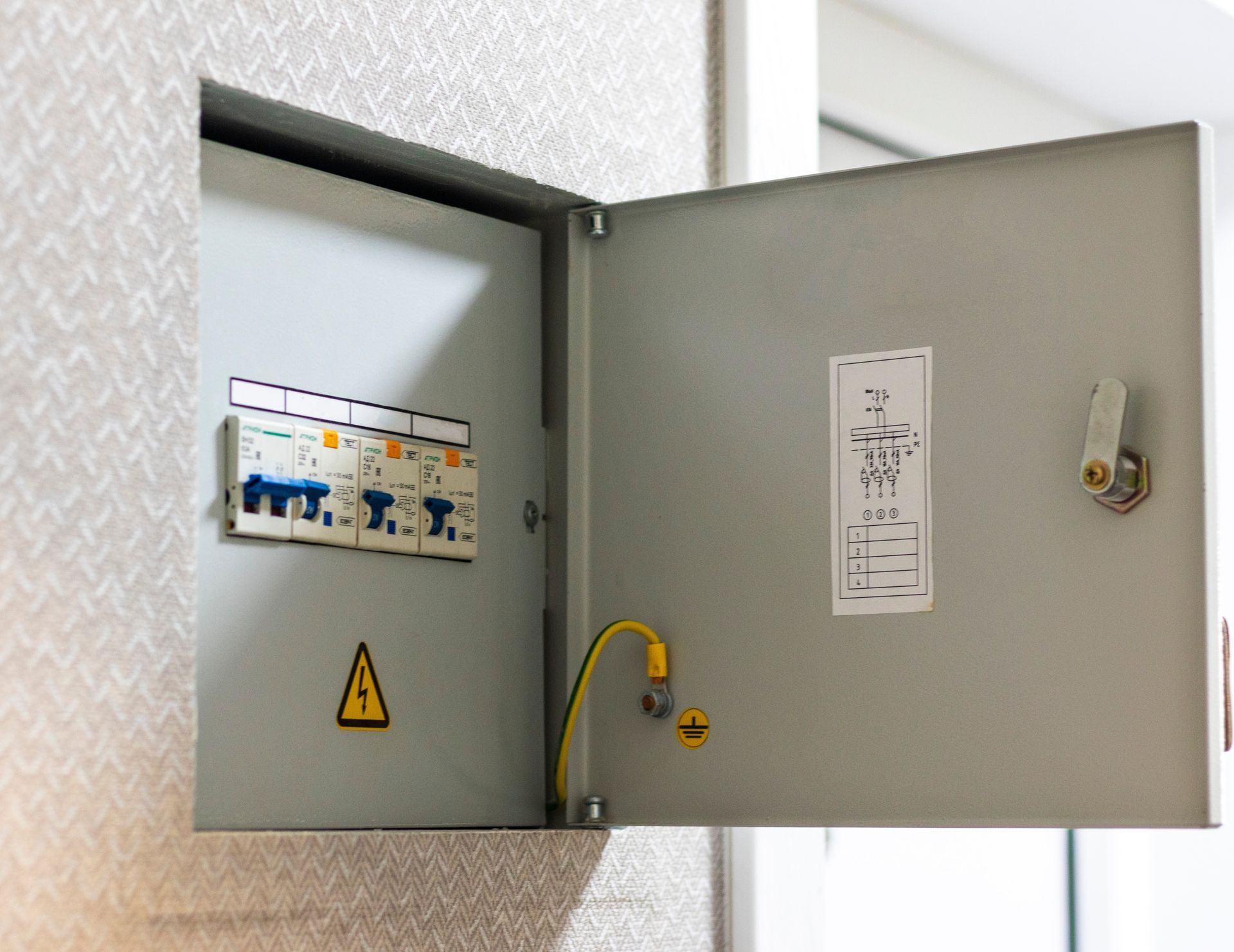
• Check Panel Labels: Look inside your breaker box to see if multiple high-demand rooms—like two bedrooms and a hallway—are actively sharing a single 15-amp circuit.
• Inspect Outlets: Look closely for dark scorch marks, cracked plastic faceplates, or a loose, wobbly fit when you plug a thick appliance cord into the wall.
• Identify Warning Signs: Note any instances where turning on a standard vacuum cleaner or hair dryer makes the overhead lights dim in that exact same room.
• Map Your Usage: Keep track of exactly which appliances are running at the same time to ensure you are not crossing the maximum load threshold of your shared circuits.
Stage 2: Schedule A Dedicated Circuit Installation
Once you identify the weak points in your home, the next stage is bringing in a professional to upgrade your home wiring safely and legally. Residents in Minneapolis, MN often find that installing dedicated heating circuits solves their winter breaker issues completely.
• Book An Evaluation: Hire a licensed electrician to calculate the exact power draw of your intended heating units alongside your existing heavy appliances.
• Install Dedicated Lines: Have new, heavy-gauge wire run directly from the main service panel to the specific room needing auxiliary heat, isolating the electrical demand.
• Upgrade Receptacles: Replace aging, builder-grade wall outlets with high-quality, commercial-grade units designed to handle continuous high-amperage heating loads without melting.
• Verify Panel Capacity: Ensure your main breaker box actually has the physical space and total amperage capacity to support these new dedicated heating circuits.
Stage 3: Protect Your Property Through Winter
With a safe and dedicated power supply finally established, the last stage is maintaining strict safety habits while operating any electrical heating equipment in your home.
• Ditch The Extension Cords: Always plug high-output heaters directly into the newly installed wall receptacle to avoid cord overheating and severe, dangerous voltage drops.
• Clear The Area: Keep all combustible materials—including curtains, heavy bedding, area rugs, and furniture—at least three full feet away from the heating element at all times.
• Monitor The Plugs: Periodically touch the plug of the space heater after it has been running for an hour; if it is painfully hot to the touch, shut the unit down immediately.
• Test Smoke Detectors: Verify that all hardwired and battery-operated smoke alarms are functioning correctly and have fresh batteries installed before the heavy heating season begins.
Frequently Asked Questions
Are large space heaters safe to use on old house wiring?
Standard house wiring installed decades ago was sized strictly for basic incandescent lighting and small, low-draw electronics. A modern heavy-duty heater pulls roughly 12.5 amps continuously, which consumes almost the entire 15-amp capacity of a standard older circuit. If the wire insulation inside your walls has degraded or become brittle over time, this heavy continuous load will cause the copper to heat up rapidly, potentially sparking a hidden fire inside the wall cavity.
Why do my space heater power cords get hot to the touch?
A cord that feels hot to the touch indicates severe electrical resistance, usually caused by undersized wiring trying to push far too much current to the unit. This frequently happens when homeowners use cheap, thin household extension cords that cannot handle the massive amperage demand of the heating element. It can also point to failing internal metal contacts within the wall receptacle itself, which creates friction and requires immediate professional replacement.
Should I run a dedicated circuit for a heavy duty winter space heater?
Installing a dedicated 20-amp circuit is the absolute safest way to power any heavy-duty auxiliary heating unit in a residential setting. This effectively isolates the massive power draw from the rest of your home, ensuring your lights and other electronics remain completely unaffected when the heater cycles on. Electrical service and panel upgrades provide the guaranteed capacity needed to run these heating appliances continuously without constantly tripping your main breakers or degrading your wiring.
Taking Action For Winter Safety
Securing a dedicated power source for your heating equipment eliminates the daily stress of tripped breakers and hidden fire risks inside your walls. Addressing your wiring limitations head-on ensures your property stays warm and safe throughout the harsh winter months. Act quickly to get your home inspected and your dedicated circuits installed by our professionals before the peak winter scheduling rush begins.
Share This Blog