The Truth About Charging Electric Trucks On 100 Amp Panels
EME, LLC • September 16, 2026
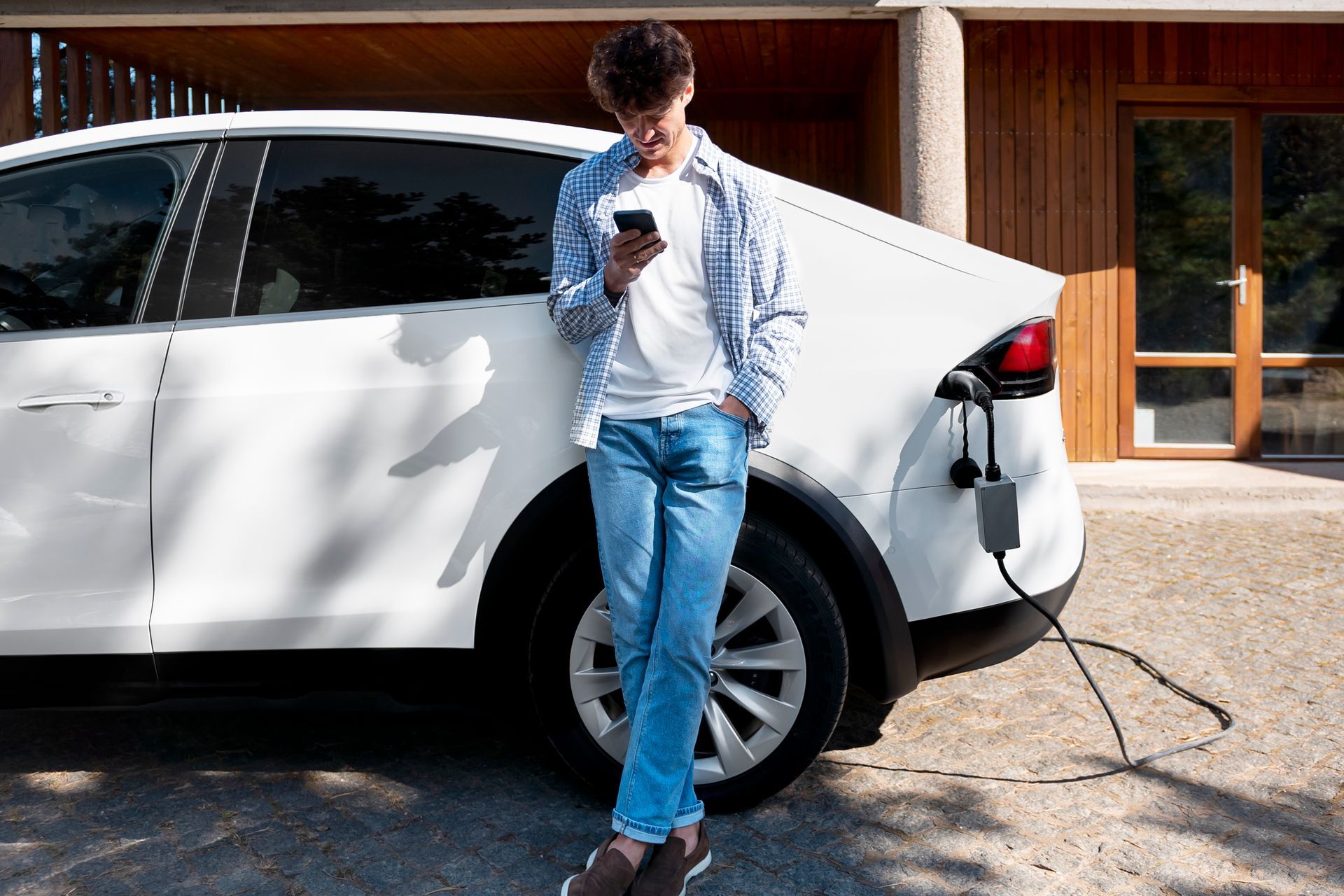
Purchasing a massive new electric pickup is a major milestone, but many buyers underestimate the infrastructure required to keep it powered. Charging electric trucks takes significantly more electricity than charging a small commuter car due to their massive battery packs. Homeowners often assume they can just plug a high speed charger into their garage wall and wake up to a full battery. EME, LLC frequently gets calls from frustrated drivers who realize their home electrical system is violently rejecting this new demand.
The reality of charging heavy duty electric vehicles is that older homes simply were not built to handle the load. A standard home from the mid twentieth century was wired to run basic appliances, not refuel a heavy machine overnight. Understanding exactly what your current electrical infrastructure can handle is the only way to avoid melted wires and constant breaker resets. Here is the honest truth about what it takes to power an electric truck at home.
In This Article:
1. The Massive Draw Of Modern EV Trucks
2. Why A 100 Amp Panel Cannot Keep Up
3. The Danger Of Skipping A Load Calculation
4. Frequently Asked Questions
The Massive Draw Of Modern EV Trucks
A common underestimation among new truck owners is assuming all electric vehicle chargers pull the same amount of power. Small sedans might charge fine on a lower amperage circuit, but electric trucks have battery capacities that rival small commercial storage banks. To charge these massive batteries overnight, you need a Level 2 charger that pulls a continuous 48 to 60 amps for several hours. This sustained draw is like running two electric ovens on high heat simultaneously from midnight until dawn. Your residential wiring must be physically capable of dissipating the heat generated by this relentless flow of electricity.
→ From a professional standpoint: Attempting to charge a high capacity truck battery on a weak circuit will throttle your charging speeds to a painful crawl.
Why A 100 Amp Panel Cannot Keep Up
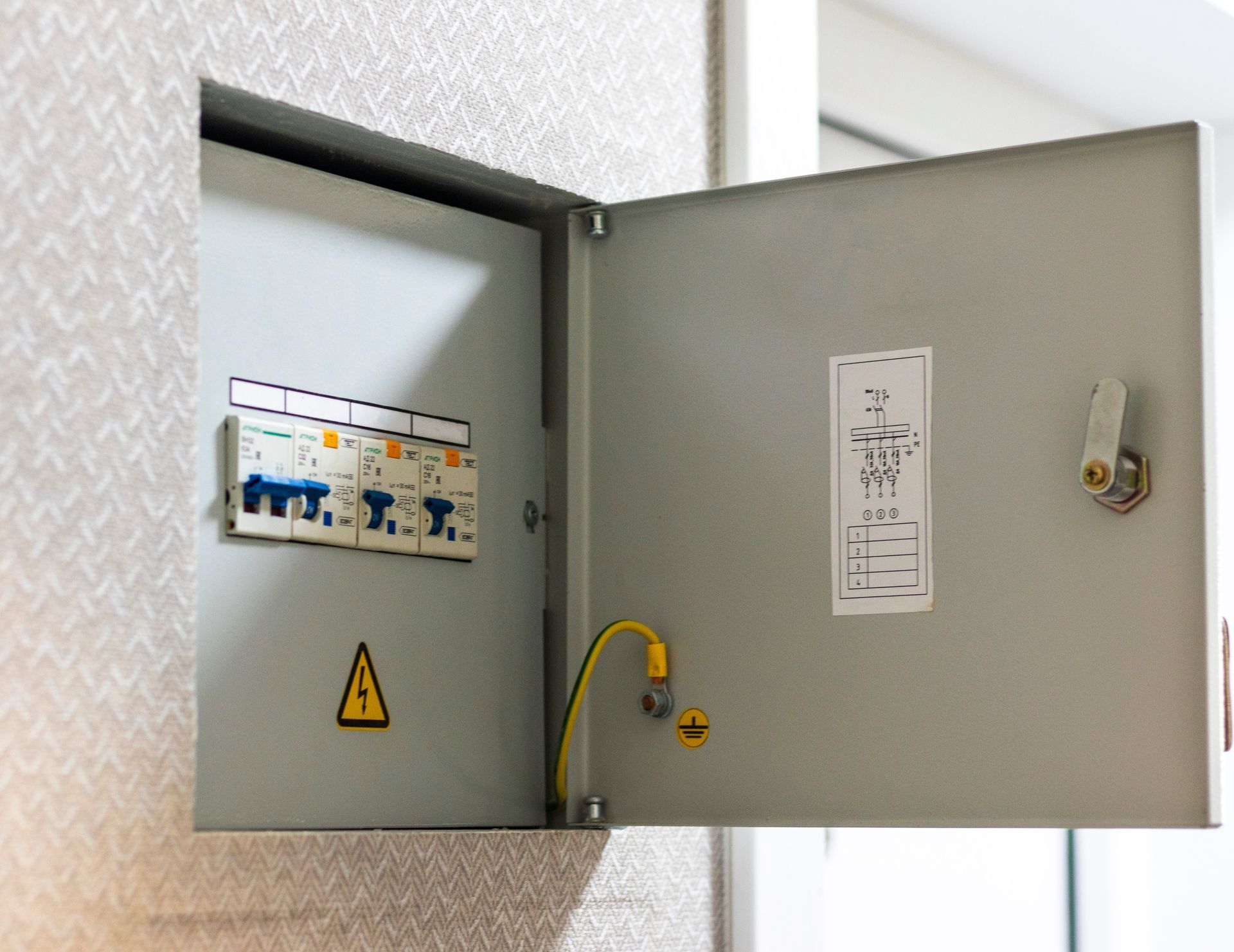
Many older properties in Lino Lakes, MN still operate on a 100 amp main electrical service panel. This means the absolute maximum current the entire house can safely draw at any one moment is 100 amps. If you install an EV charger that requires 60 amps, you are using more than half of your home capacity on a single device. The moment your air conditioning kicks on or your water heater starts up, the combined demand will instantly exceed the 100 amp limit and trip the main breaker. There is simply no leftover capacity in these older panels to support modern EV charger installation and repair services safely.
→ A quick tip to remember: If your home requires gas appliances just to keep your electrical usage down, your panel is already too small for a high speed EV charger.
The Danger Of Skipping A Load Calculation
Some aggressive salesmen or unverified handymen will tell you it is perfectly fine to squeeze a large charger breaker into a full panel. This is a severe safety hazard that bypasses the fundamental physics of your home electrical system. A professional electrician performs a strict electrical load calculation before quoting a project to prove on paper what your panel can handle. Skipping this step and hooking up a heavy duty charger anyway forces your main service wires to carry more current than they were rated for. The result is degrading insulation, scorched bus bars, and a high risk of an electrical fire inside your garage walls.
→ From a professional standpoint: Upgrading to a 200 amp service panel is not an optional upsell when buying an electric truck, it is a technical requirement for safety.
Frequently Asked Questions
Can a standard 100 amp house panel handle a Level 2 EV charger?
It is extremely rare for a 100 amp panel to safely support a Level 2 charger without an electrical service and panel upgrade. Even a lower amperage Level 2 unit requires a dedicated 30 to 40 amp circuit, which usually pushes an older home past its safe operating threshold. An electrician must verify your baseline load before attempting to add any new 240 volt circuits to a 100 amp box.
What is an electrical load calculation for home EV charging?
A load calculation is a mathematical formula mandated by the National Electrical Code to determine a property total power demand. An electrician calculates the square footage of your home, factors in major appliances, and adds the continuous load of the EV charger. This calculation proves whether your current panel size is legally and physically capable of handling the new equipment.
Why does my new EV charger keep tripping the main garage breaker?
A tripping breaker is an intentional safety mechanism cutting power because the wire is getting too hot. This usually happens when an amateur installs a high output charger on wiring that is too thin to handle the sustained amperage. The only fix is to replace the wire run with a thicker gauge and ensure the panel has the capacity to support the breaker size.
Powering Your New Truck Safely
Setting realistic expectations about your home power capacity prevents frustrating charging failures and protects your property from fire risks. Facing the reality of a required panel upgrade upfront ensures your new vehicle is always fueled and ready for the road. Call our experts to perform a proper load calculation so you can charge your heavy duty truck with complete confidence.
Share This Blog