Home Backup Generator Sizing: Why Most Homeowners Guess Wrong
EME, LLC • November 4, 2026
Losing power during the winter months is a serious situation for any homeowner. The immediate reaction is often to rush out and buy a generator based on a quick guess about wattage. At EME, LLC, we see the aftermath of these rushed decisions far too often. An improperly sized system will either fail to start your furnace or waste fuel running well below its optimal capacity.
Taking the time to properly calculate your home backup generator sizing is the only way to guarantee your lights stay on when the grid goes down. This requires looking beyond the sticker wattage and understanding the difference between running watts and surge watts. A precise calculation ensures your investment actually protects your property during an outage.
Here is what this article covers:
- The math behind running and starting watts: Understanding the difference prevents system overloads.
- Auditing your critical household circuits: Identifying what must stay online during an outage.
- Frequently Asked Questions: Answers to common sizing inquiries.
The Math Behind Running And Starting Watts
Many people ask what size generator do I need to run my house. The answer is never a simple guess based on the square footage of your property. Every appliance has two electrical ratings that dictate your power needs. Running watts measure the continuous power required to keep an appliance on. Starting watts measure the brief surge of extra power an electric motor needs to start up.
If you only add up the running watts of your refrigerator and furnace blower, your generator will stall the moment those motors cycle on. A properly sized system must account for the highest possible combination of starting watts across all your essential appliances. Failing to do this calculation leads to tripped breakers on the generator itself.
Auditing Your Critical Household Circuits
Before purchasing any equipment, you need a clear list of what must remain functional during an outage. For homes in Scandia, MN, a well pump is often the highest priority alongside central heating. Writing down the electrical requirements for your well pump, refrigerator, and a few lighting circuits provides a baseline load calculation.
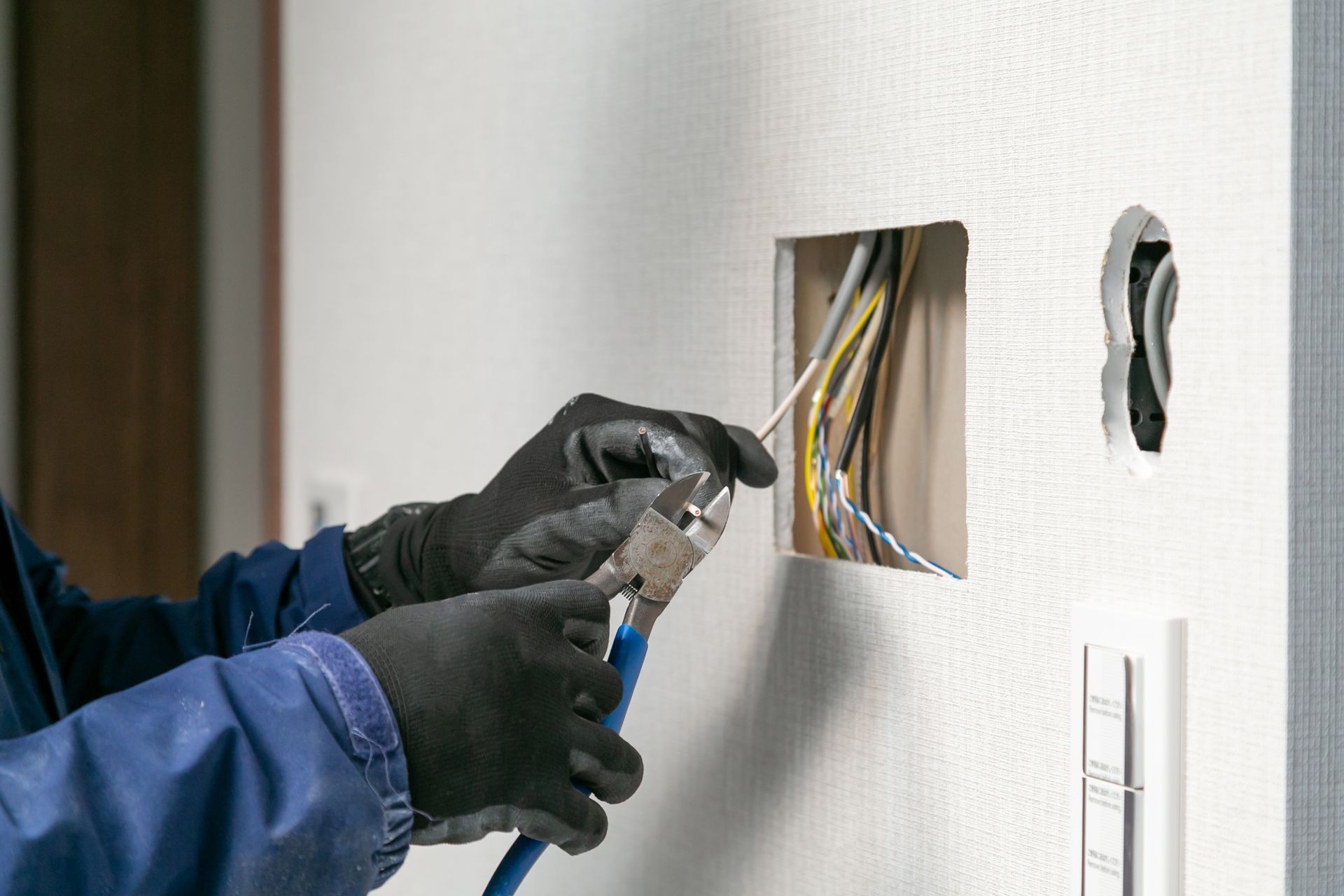
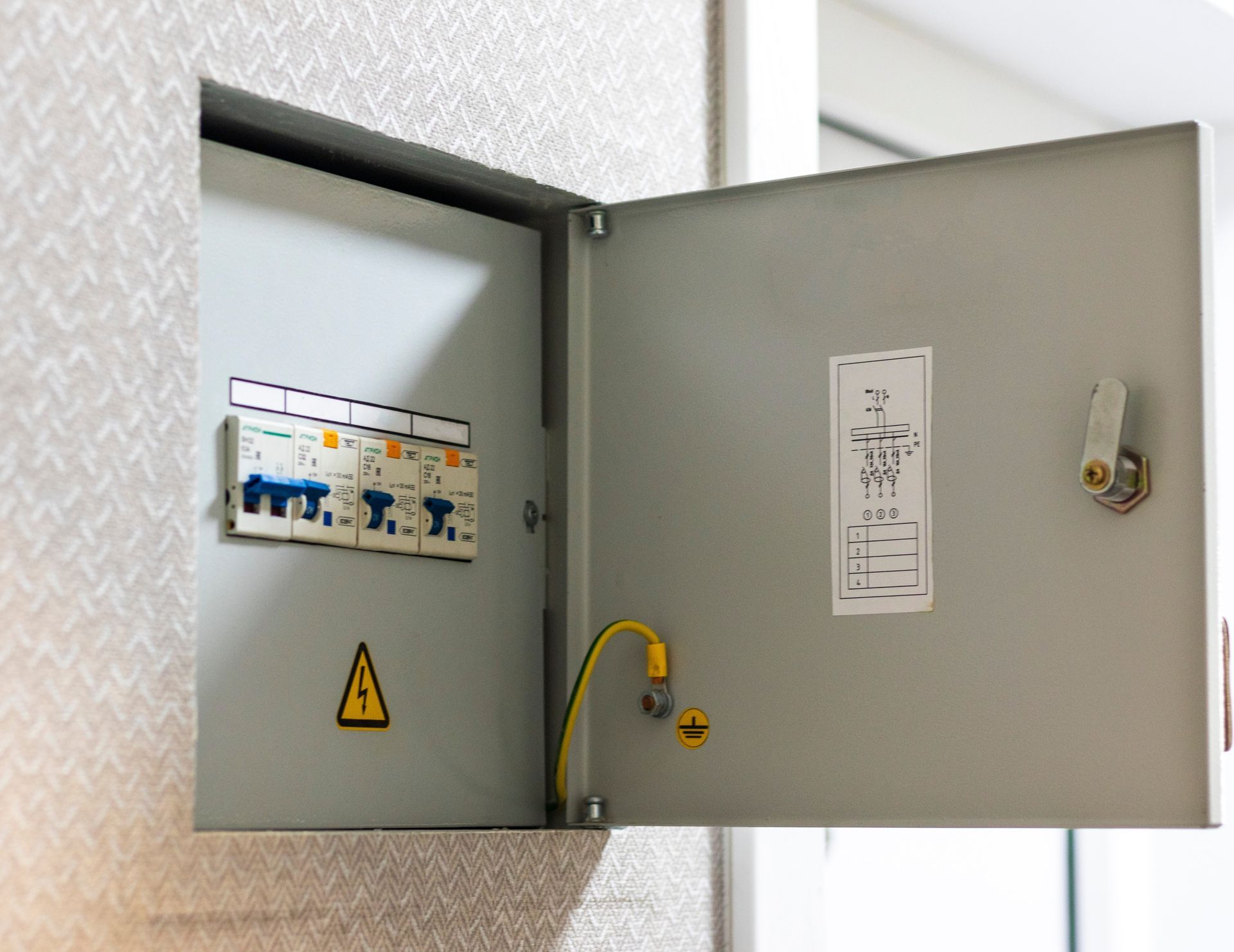
This is also the perfect time to evaluate your existing electrical panel. Integrating a standby generator often requires electrical service and panel upgrades to accommodate an automatic transfer switch. Discussing these specific needs with a professional ensures you get exactly what you require without overspending on an oversized unit.
► Client Experience: There is no one else for me. The owner, Chad, and his people are awesome! He is honest, reliable, and reasonable. He takes the time to understand what you want. Then delivers. No muss, no fuss. As an elder, I love that he makes accomodations for my needs ❤️ . And he and his crew are just old time nice! - Cheryl Edstrom
Working directly with our clients allows us to design a power backup plan that provides true peace of mind.
Frequently Asked Questions
What size generator do I need to run my house?
To run an entire average residential property, you typically need a standby generator between 14 kilowatts and 22 kilowatts. If you only want to power essential circuits like a furnace and refrigerator, a portable 5 kilowatt to 8 kilowatt unit might suffice.
Can I connect a generator directly to my breaker box?
Doing this without a properly installed transfer switch is illegal and incredibly dangerous. It can send electricity back onto the grid and severely injure utility workers.
Finalizing Your Backup Power Strategy
Sizing your generator correctly is the crucial first step toward long term reliability. Once the calculations are done, the installation process becomes straightforward and predictable. Call our office to schedule a power audit and get your home properly equipped for the next outage.
Share This Blog